
 Signs play a crucial role in helping businesses attract customers, improve navigation, and create strong brand recognition. However, before a business can install a new sign, it must go through a sign permitting process to meet local rules and safety standards.
At SignWorks, we have years of experience helping clients through this process. From site surveys and elevation drawings to safety considerations, we make sure every sign follows local regulations and is installed correctly. Let’s break down the steps and look at some of our recent projects that required permit approval.
Why Are Sign Permits Necessary?
A sign permit is an official approval from the city or county that allows a business to install a sign legally. This process is in place to:
✔ Ensure signs follow zoning laws and size limits
✔ Prevent safety hazards for pedestrians and drivers
✔ Regulate lighting for illuminated signs
✔ Keep the city’s appearance visually consistent
Skipping this step can lead to fines or even forced removal of the sign, so it’s important to follow the rules from the start.
Step 1: Site Survey – Understanding the Location
Before a sign is designed, the first step is a site survey to evaluate the space. This includes:
- Measuring the installation area
- Checking visibility from different angles and distances
- Identifying obstacles like trees, power lines, or existing signs
Determining the best mounting method (wall-mounted, free-standing, etc.)
For example, when working on the Palace Casino sign, we conducted a detailed site survey to determine the best position for their illuminated signage. Because casinos operate late into the night, it was crucial to ensure optimal visibility and proper lighting without violating local brightness regulations.
Step 2: Elevation Drawings – Planning the Design and Placement
Once the site is evaluated, we create elevation drawings—detailed blueprints that include:
📏 The exact size of the sign
📌 Its placement on the building or ground
⚡ Electrical details (if illuminated)
🌆 How it fits into the surrounding environment
These drawings are a key part of the permit approval process because they show that the sign will meet local guidelines.
When we worked on signage for Western Water, a large-scale engineering firm, elevation drawings played a critical role in getting approval. Their new exterior branding signage had to follow strict city rules regarding size, placement, and visibility from the main road.
Step 3: Submitting the Permit Application
Once all necessary documents are ready, we help clients submit the permit application to the city. This process includes:
📝 Completing application forms
📎 Attaching elevation drawings and site plans
💵 Paying required permit fees
Approval times can vary. Some permits get processed quickly, while others require additional reviews—especially for larger or illuminated signs.
For instance, the permit for Palace Casino’s sign took longer because city officials wanted to ensure the lighting would not impact nearby residential areas. Our team worked closely with officials to provide necessary adjustments, making the approval process smoother.
Step 4: Safety Considerations Before Installation
Safety is a top priority when installing signs, especially large or illuminated signage. Key safety factors include:
Structural stability – Ensuring signs can handle weather conditions
Electrical safety – Making sure wiring meets building codes
Proper placement – Avoiding obstructions that could create hazards
During our work with Western Water, we had to coordinate with building engineers to ensure their new signage would be installed securely on the high-rise office. Careful planning and the right safety measures allowed us to so.
Examples of SignWorks Projects That Required Permits
Over the past year, SignWorks has handled permitting for many projects, including:
🔹 Escape Games San Francisco – Installed a large illuminated storefront marquee and blade sign, requiring approval for lighting and placement regulations.
🔹 Palace Casino – Designed and installed a high-visibility illuminated sign, ensuring it met city restrictions on brightness and placement.
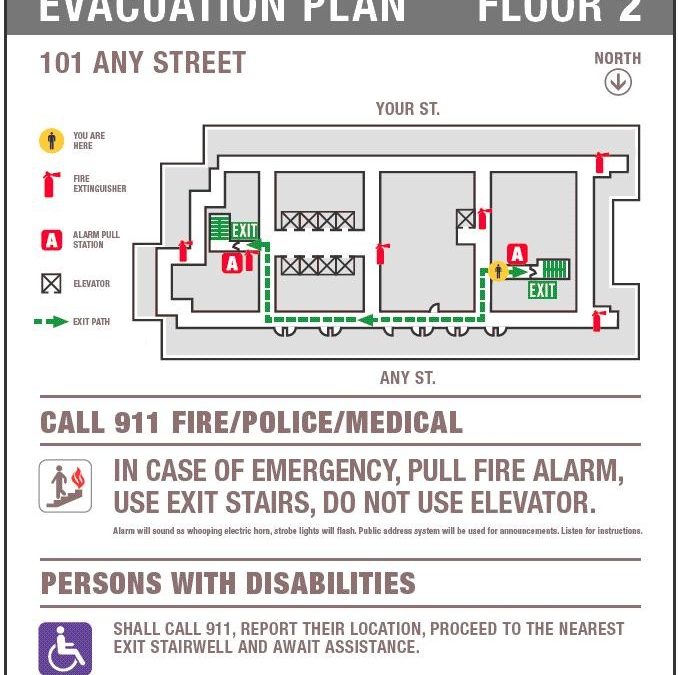
🔹 Western Water – Created and installed large code compliant evacuation map signage, following strict city and fire department guidelines for size and location visibility.
Why Work with SignWorks?
The sign permitting process can be overwhelming, but SignWorks makes it simple by handling every step. Businesses trust us because we provide:
✅ Expert Knowledge – We understand local codes and requirements.
✅ Accurate Planning – Our site surveys and elevation drawings ensure smooth approvals.
✅ Strong City Relationships – Our permit expeditor works directly with city officials to speed up the permit process.
✅ Safe and Professional Installations – We follow strict safety guidelines to ensure secure installations.
Final Thoughts
Getting a sign permit isn’t just a legal requirement—it’s an essential step in ensuring that a sign is safe, visible, and long-lasting. From site surveys and elevation drawings to working with city officials, SignWorks takes care of all the details, so businesses can focus on what matters most—growing their brand and attracting customers.
If your business needs signage, trust SignWorks to handle the process from start to finish. Contact us today to discuss how we can work together to bring your signage vision to life!