
 The face of an illuminated sign displays the business name or graphics, allows light to pass through, and protects the lighting components inside the cabinet. Choosing the right material can also affect how well the sign handles weather, impact, and possible vandalism.
Two materials commonly used for illuminated sign faces are acrylic and polycarbonate, often recognized by the brand name LEXAN. SignWorks has worked with both materials on Bay Area sign projects and recommends the product that best fits the sign’s size, location, and exposure to possible damage.
While acrylic works well for many applications, LEXAN can be worth the additional cost when impact resistance is important.
What Is an Acrylic Sign Face?
Acrylic is a rigid plastic widely used for illuminated signs. It provides a smooth graphic surface while allowing internal lighting to shine through.
Acrylic offers several advantages:
- Excellent clarity
- Smooth graphic presentation
- Good weather resistance
- Multiple colors and thicknesses
- Lower cost than polycarbonate in many applications
For signs mounted away from pedestrian traffic or in areas with little risk of impact, acrylic can be an attractive and practical solution. Because acrylic is rigid, however, a strong impact can cause it to crack or break.
What Is a LEXAN Sign Face?
 LEXAN is a well-known brand of polycarbonate. Compared with acrylic, polycarbonate offers significantly greater resistance to impact.
The material can flex under force that might crack an acrylic panel. This makes it useful for sign faces installed where vandalism or accidental damage is a concern.
LEXAN generally costs more than acrylic, but the additional expense can make sense when repeated replacement of a broken sign face would become costly.
Why Impact Resistance Matters in Urban Areas
An illuminated cabinet located near a sidewalk or other publicly accessible area can become a target for vandalism. Once a face is broken, the cabinet may also be exposed to moisture, dirt, and additional damage.
For properties that have experienced vandalism, selecting polycarbonate may help reduce repeated face replacements.
LEXAN is worth considering for:
- Street-level cabinet signs
- Transit-area signage
- Parking facilities
- Urban storefronts
- Freestanding signs within public reach
- Signs with a history of vandalism
LEXAN is not indestructible, but its impact resistance makes it a practical choice for demanding locations.
The Holiday — Livermore LEXAN Sign Face
 A recent SignWorks project for The Holiday in Livermore involved replacing the face of an existing illuminated cabinet for a new tenant.
After surveying the sign, SignWorks produced a 12-foot by 3-foot LEXAN face sized for the existing light box. Reusing the cabinet allowed the property to introduce the new tenant’s identification without replacing the complete sign structure.
Livermore Pet Hospital — Ground-Level LEXAN Sign Faces
The Livermore Pet Hospital project demonstrates how sign location can influence material selection.
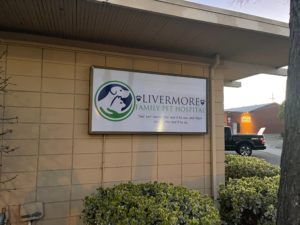
The existing illuminated cabinet remained usable, so SignWorks produced new LEXAN faces displaying the veterinary practice’s logo and tagline. The project included two faces measuring approximately 8 feet by 4 feet and 6 feet by 3 feet.
Because the sign was positioned at ground level, SignWorks recommended LEXAN instead of acrylic. Its greater resistance to breakage made it better suited for a location exposed to possible impact or vandalism.
Another Cafe — San Francisco
SignWorks also fabricated new LEXAN faces for the double-sided illuminated sign at Another Cafe in San Francisco.
The existing cabinet could continue to be used, so replacement inserts displaying the cafe’s updated logo were produced. The owners elected to install the completed faces themselves, helping control project costs.
This approach refreshed the sign without requiring an entirely new illuminated cabinet.
Acrylic Sign Example — BMW
Acrylic should not be considered an inferior material simply because LEXAN provides greater impact resistance.
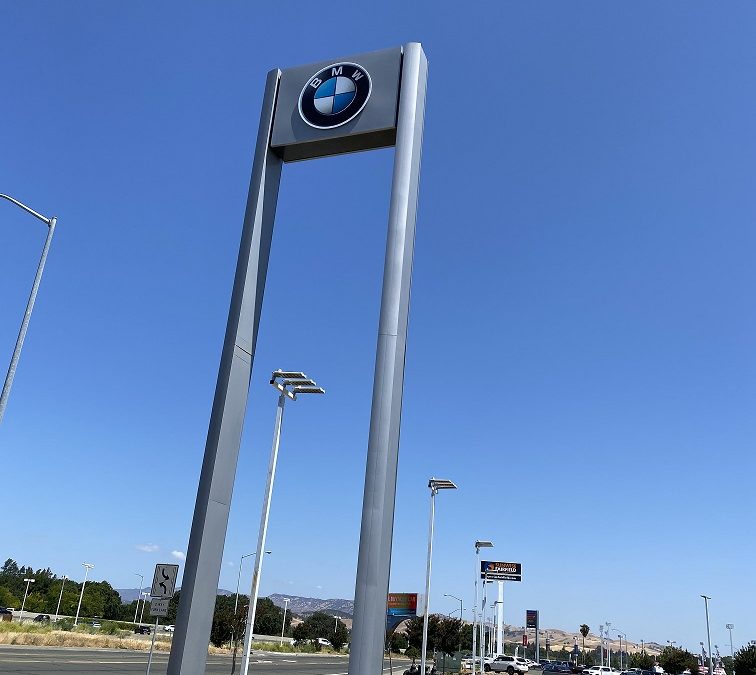
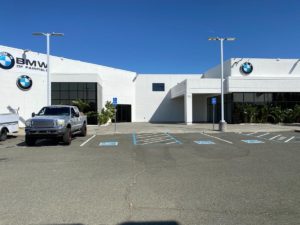
For a BMW dealership project, acrylic was selected to provide the smooth, polished presentation associated with the automotive brand.
Acrylic can be an excellent option when a sign is protected from frequent physical contact and extreme impact resistance is not a primary concern.
LEXAN or Acrylic: Which Sign Face Should You Choose?
Acrylic may be appropriate when:
- The sign has limited exposure to vandalism.
- The face is protected from accidental impact.
- A rigid material is preferred.
- Appearance and clarity are priorities.
- Cost is an important consideration.
LEXAN may be preferable when:
- The sign is close to ground level.
- Vandalism has occurred before.
- Accidental impact is a concern.
- The panel is particularly large.
- Repeated replacement would be expensive.
Choosing the Right Sign Face Material
SignWorks has nearly two decades of experience producing illuminated signs, replacement sign faces, channel letters, and commercial signage throughout the San Francisco Bay Area.
Material selection should consider more than price. Sign size, cabinet construction, location, lighting, graphics, and exposure to damage can all influence whether acrylic or LEXAN is the better choice.
For an elevated or protected sign, acrylic may provide the appearance and performance needed. For a ground-level cabinet or an illuminated sign in an area with recurring vandalism, paying somewhat more for LEXAN can provide added protection and potentially reduce future replacement costs.